German Superfoods: Old Recipes, New Trends

German Superfoods: Traditional Ingredients, Modern Trends

In recent years, German Superfoods have emerged from family kitchens and Michelin-starred restaurants alike. These ingredients—rooted in centuries of Central European tradition—are now celebrated for their nutrient density and adaptability. In this article, we’ll explore what qualifies as a German Superfood, review key varieties and botanical names, cover preparation methods and processing tips, and share an original German-inspired recipe that fits any culinary skill level.
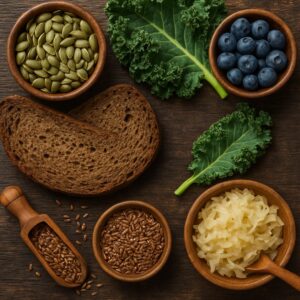
A colorful assortment of traditional German superfoods including kale, red cabbage, rye bread, root vegetables, and seeds, arranged on a rustic wooden table.

A vibrant display of nutrient-rich German superfoods—kale, cabbage, rye bread, and seeds—celebrating the diversity of traditional German ingredients.

What Are German Superfoods?

German Superfoods are time-tested ingredients from Germany that boast high levels of fiber, vitamins, minerals and beneficial microbes. Unlike exotic imports, these foods have nourished local populations for generations, serving as staples in home cooking and professional gastronomy. From hearty rye loaves to fermented sauerkraut and nutrient-packed kale, German Superfoods combine heritage and health in every bite.

Diverse Varieties and Botanical Names

  • Rye (Secale cereale): A cereal grain rich in soluble fiber, often used in dense breads and crackers.
  • Sourdough Cultures (Lactobacillus sanfranciscensis & related strains): Natural yeast-and-bacteria starters that leaven bread and support gut health.
  • Kale (Brassica oleracea var. sabellica): A leafy green loaded with Vitamins A and C, popular in soups, salads and chips.
  • White Cabbage (Brassica oleracea var. capitata): The basis for sauerkraut, fermented to develop probiotics and a tangy flavor.
  • Blueberries (Vaccinium myrtillus): Also called bilberries in Germany, known for potent antioxidants.
  • Flax Seeds (Linum usitatissimum): Tiny seeds high in omega‑3 fatty acids, fiber and lignans.
  • Pumpkin Seeds (Cucurbita pepo): Nutrient-dense seeds rich in zinc and healthy fats.
  • Caraway (Carum carvi): An aromatic seed with regional varieties—Alpine vs. Hungarian caraway—varying in essential oil composition and flavor intensity.

Preparation and Processing Guidelines

Proper handling unlocks the full potential of these German Superfoods. Here are key tips for each:

  • Rye Bread: Use whole-rye flour, hydrate at 70–75% (700–750 g water per 1 kg flour), and ferment slowly at 18–21 °C for 12–16 hours to develop flavor.
  • Sourdough Starter: Feed equal parts flour and water daily, store at room temperature or refrigerate for slower activity. Refresh before each bake to ensure an active culture.
  • Kale: Remove thick stems, chop leaves, and massage with olive oil and a pinch of salt to soften. For chips, bake at 120 °C (250 °F) for 20–25 minutes until crisp.
  • Sauerkraut: Shred cabbage, massage with 1.5%–2% salt by weight, pack into a crock to submerge under its own brine, and ferment at 16–20 °C (60–68 °F) for 2–4 weeks.
  • Blueberries: Rinse gently, pat dry, and enjoy fresh or fold into yogurts, porridges or compotes.
  • Flax Seeds: Grind before use to improve nutrient absorption; mix into batters, cereals or smoothies.
  • Pumpkin Seeds: Lightly toast at 150 °C (300 °F) for 10 minutes to enhance flavor before sprinkling over salads or soups.
  • Caraway Seeds: Toast briefly in a dry pan to release oils. Note that Hungarian caraway tends to be fruitier, while Alpine caraway yields a stronger, slightly minty profile.

Historical Context and the Rise of the Term “Superfoods”

The phrase “superfood” gained popularity in the late 1990s in North America as a marketing term. However, German chefs and home cooks have long celebrated their own nutrient-packed staples. Rye cultivation in Europe dates back to the Bronze Age, while sourdough techniques were documented by Roman historians. Fermentation—central to sauerkraut and dark breads—was practiced across German-speaking regions as early as the Middle Ages. Only recently have nutritionists formally recognized these ingredients for their robust nutritional profiles.

Cultural Appreciation of Superfoods in Germany

Many German families cherish superfood traditions. Regina, a retired teacher from Bad Schandau, recalls her grandmother simmering sauerkraut and adding caraway seeds every winter. Those hearty stews would feed their family during freezing Saxon winters. Today, the same ingredients appear in avant-garde Berlin bistros, where chefs deconstruct sauerkraut into elegant foams and kale into vibrant purees. In both private and professional kitchens, these ingredients bridge past and present.

Cooking Idea: Savory Rye & Kale Grain Bowl with Sauerkraut & Caraway Crisps

Ingredients (Serves 4)

  • 200 g (7 oz) whole-rye berries or groats
  • 500 ml (2 cups) vegetable stock
  • 100 g (3.5 oz) fresh kale, stems removed and chopped
  • 150 g (5 oz) sauerkraut, drained
  • 50 g (1.8 oz) pumpkin seeds, toasted
  • 1 tbsp caraway seeds, divided
  • 2 tbsp olive oil, plus extra for crisping
  • Salt and pepper, to taste
  • Fresh parsley for garnish

Instructions

  1. Rinse rye berries and combine with stock in a pot. Bring to a boil, cover, reduce heat, and simmer for 35–40 minutes until tender. Season lightly with salt.
  2. In a pan, heat 1 tbsp olive oil. Add kale and sauté for 4–5 minutes until wilted. Season with pepper.
  3. For caraway crisps, toss remaining 1 tsp caraway seeds with a drizzle of olive oil and a pinch of salt. Spread on a baking sheet and bake at 150 °C (300 °F) for 8–10 minutes until golden.
  4. Divide rye porridge among four bowls. Top each with sautéed kale, sauerkraut, pumpkin seeds and caraway crisps. Drizzle with a little olive oil and garnish with parsley.
  5. Serve warm or at room temperature for a balanced, nutrient-rich meal.

Integrating Superfoods into Your Diet

Young adults and seniors alike can weave German Superfoods into daily meals. Blend kale and berries into smoothies, swap all-purpose flour for a touch of rye flour in pancakes, or enjoy sauerkraut as a tangy side. For entertaining, present a superfood board of cheeses, rye crisps and fermented vegetables. Small changes yield big nutritional returns.

Conclusion: Embracing Tradition for Modern Plates

German Superfoods honor centuries of culinary heritage while addressing contemporary demands for nutrient-dense eating. From Regina’s family table in Bad Schandau to upscale restaurants in Berlin, ingredients like rye, sourdough, kale and sauerkraut deliver flavor, texture and wellness. By understanding preparation methods and integrating these foods into your routine, you can build vibrant menus that celebrate the best of German tradition and modern nutrition.

FAQs

What are German Superfoods?

German Superfoods are traditional ingredients that in German cuisine offer high nutrient value, versatility and a link to culinary heritage.

Why should I integrate German Superfoods into my diet?

They provide fiber, antioxidants, vitamins and minerals that support digestion, immunity and overall vitality.

Which German Superfoods are especially well known?

Kale (Brassica oleracea var. sabellica), sourdough cultures, rye (Secale cereale), blueberries (Vaccinium myrtillus), flax seeds and pumpkin seeds are among the most recognized.

How can I use rye in my meals?

Rye works as bread, flour or flakes in breakfast bowls, salads, smoothies and traditional loaves.

What makes sauerkraut a Superfood?

Fermented cabbage rich in probiotics and Vitamin C, sauerkraut supports healthy digestion and immune balance.

How can I add kale to my dishes?

Use kale in soups, stews, salads, smoothies or bake into crispy kale chips for a nutrient boost.

Are there German Superfoods good for skin?

Blueberries provide antioxidants that protect skin cells; flax seeds deliver omega‑3s for a balanced complexion.

How do I incorporate flax seeds daily?

Stir ground flax into yogurt, oatmeal, smoothies or bake into breads and muffins for easy nutrient enrichment.

Where can I buy German Superfoods?

Authentic ingredients are available online at germanbuy.net, offering a selection of traditional items delivered to your door.

Are there recipes featuring German Superfoods?

Yes—our blog regularly shares fresh recipes highlighting kale, rye, sauerkraut and more for every skill level.