
12
May
In Germany, snacking is not an afterthought. It is part of the rhythm of the day. A quick bite between meals can be practical, comforting, social, or simply habitual. It may happen at a bakery counter, at a desk, on a train, after school, or in the kitchen at home. Sometimes it is sweet. Sometimes it is savory. Often it is both, depending on the time, the setting, and what people feel like eating.
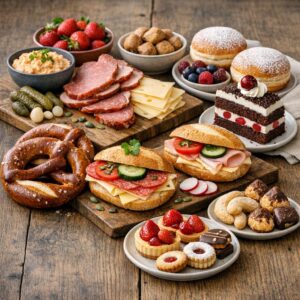
German snack culture brings together savory favorites like pretzels and rolls with sweet pastries and cookies.
What makes German snack culture interesting is that it sits between tradition and convenience. On one side are bakery items, rolls, pretzels, cakes, and other familiar foods that have long been part of everyday life. On the other side are packaged supermarket snacks, fruit, yogurt, chips, biscuits, and modern grab-and-go options. The result is a snack culture that is practical, varied, and deeply tied to routine.
This guide looks at what people in Germany actually eat between meals, how snack habits differ by setting and region, and why snacks matter so much in daily life. From sweet treats to savory staples, from bakery culture to supermarket shelves, it offers a clear picture of how Germany snacks.
Snacking may seem small, but it reveals a lot about everyday life. It shows how people organize their day, how they handle hunger between meals, and how they balance convenience with taste. In Germany, snacks are not just filler. They are often a practical part of the schedule.
Many people snack because the day leaves little room for anything else. A child may need something for school. A worker may want a quick bite during a break. A traveler may need something easy to carry. In each case, the snack is not random. It fits a moment in the day.
German snack choices are often shaped by what is familiar and easy to buy. People may reach for the same bakery roll every morning, the same biscuit with coffee, or the same packaged snack on the way home. That kind of repetition is part of the culture.
Snack habits are not identical across the country. Some regions lean more heavily on bakery items, while others have stronger preferences for certain savory or sweet snacks. Age matters too. Children, adults, and older people often snack differently, even when they live in the same household.
Sweet snacks have a strong place in German everyday life. They appear in bakeries, supermarkets, lunch boxes, and coffee breaks. Some are light and simple. Others are more indulgent.
Bakery items are among the most familiar sweet snacks in Germany. Sweet buns, filled pastries, cakes, and other baked goods are common choices for breakfast, coffee breaks, or a quick treat during the day. They are easy to buy, easy to carry, and deeply woven into daily habits.
Packaged sweet snacks also play a major role. Chocolate bars, biscuits, and wafers are common in homes, offices, and travel bags. They are convenient, widely available, and often chosen for a small moment of pleasure rather than a full meal replacement.
Not every sweet snack is heavy or sugary. Fruit cups, dried fruit, and fresh fruit are also part of the picture, especially for people who want something lighter. These options are often seen as practical rather than indulgent, but they still belong to the snack category.
Sweet snacks are eaten in many settings. At home, they may appear with coffee or tea. At work, they may be kept in a drawer or shared in the break room. On the go, they are often chosen because they are easy to pack and easy to eat quickly.
Savory snacks are just as important as sweet ones, and in some households they may be even more common. They are often more filling, more practical, and more closely tied to bread culture.
Bread is central to German food culture, so it is no surprise that bread-based snacks are everywhere. Pretzels, rolls, and small bread items are common between-meal foods. They can be eaten plain or with cheese, sausage, butter, or other toppings.
Packaged savory snacks also have a strong presence. Chips, crackers, and other salty items are popular for casual eating, social occasions, or relaxed evenings at home. They are not tied to one specific time of day, which makes them especially flexible.
In many homes, a snack can be more than a packaged item. A small plate with cheese, sausage, bread, or cold cuts can function as a mini meal. This is especially common when people want something simple but more substantial than a biscuit or a piece of fruit.
One of the most interesting things about German snack culture is that snacks can sometimes stand in for a meal. A roll with cheese, a pretzel with butter, or a small cold plate may be enough to bridge the gap between lunch and dinner.
The bakery is one of the most important places in German snack culture. It is not just a place to buy bread. It is a daily stop, a habit, and often part of the social rhythm of the day.
Many people in Germany stop at a bakery regularly. It may be part of the morning commute, a lunch break, or a weekend routine. The bakery offers both sweet and savory options, which makes it a natural fit for snacking.
Fresh rolls and buns are among the most common bakery snacks. They are simple, versatile, and easy to adapt to different tastes. Filled pastries and sweet baked goods add another layer, especially for people who want something more indulgent.
Bakery culture also connects to the afternoon coffee break. Coffee and cake remain a classic combination, and many sweet snacks fit naturally into that moment. It is one of the clearest examples of how snack culture and social culture overlap in Germany.
Supermarkets and discounters play a huge role in German snack culture. They make it easy to buy snacks quickly, cheaply, and in a wide range of formats.
Many households buy snacks at discounters because they offer a good balance of price and convenience. These products are often practical, familiar, and easy to keep at home or take on the go.
German shoppers often compare brand-name snacks with private-label alternatives. Price matters, but so does taste, size, and familiarity. That comparison is part of everyday shopping behavior.
Packaged snacks are especially useful for busy settings. They fit into lunch boxes, desk drawers, backpacks, and travel bags. Their portability makes them a key part of modern snack culture.
| Snack type | Typical use |
|---|---|
| Sweet bakery items | Breakfast, coffee breaks, treats |
| Chocolate and biscuits | Home, office, travel |
| Pretzels and rolls | Quick bites, mini meals |
| Chips and crackers | Casual snacking, social settings |
| Fruit and yogurt | Lighter everyday snacks |
| Cold snack plates | More filling between-meal eating |
Snacking habits change depending on where people are. A snack at home is not the same as a snack in the office or on a train.
At work, snacks are often practical and easy to store. Biscuits, fruit, yogurt, and packaged items are common. They fit into coffee breaks and help people get through the day without a full meal.
For children and teenagers, snacks are often part of a lunch box or a school break. Rolls, fruit, small sweet items, and simple packaged snacks are common choices.
On the go, convenience matters most. People want something that is easy to carry, easy to eat, and not too messy. That is why packaged snacks, rolls, fruit, and bakery items are so useful.
Portable snacks are important because they fit modern life. They are easy to buy, easy to pack, and easy to eat in short breaks. That practicality is a big part of their appeal.
Snack culture is not exactly the same everywhere in Germany. Regional habits shape what people buy and how they eat between meals.
In the north, bakery items and certain savory snacks may have a stronger presence, though local habits vary widely. Regional food traditions often influence snack choices.
In the south, pretzels and hearty bakery snacks are especially visible. The snack table may feel a little more substantial, with bread-based foods playing a central role.
City life often means more convenience, more packaged snacks, and more grab-and-go eating. Rural habits may feel more traditional, with a stronger connection to bakery stops and home-prepared snacks.
Children, adults, and older people often snack differently. Some prefer sweet treats, others prefer bread or fruit, and some want something more filling. Those differences are part of the everyday picture.
Snack culture in Germany is changing, but not in a way that has erased the old habits. Instead, new preferences are sitting alongside familiar ones.
Many people now look for lighter options such as fruit, yogurt, or smaller portions. These choices fit a more health-conscious routine without giving up the idea of snacking altogether.
Modern snack shelves increasingly include lower-sugar products, protein snacks, and items marketed as more functional. These are especially visible among consumers who want convenience without feeling too indulgent.
German snack culture is still about enjoyment, but it is also about usefulness. People want snacks that taste good, travel well, and fit into a busy day. That balance is what keeps the category so strong.
The way people buy snacks is part of the story too. In Germany, most snack shopping happens in supermarkets, discounters, and bakeries.
Supermarkets and discounters are the main sources for packaged snacks. They offer variety, convenience, and price comparison in one place.
Fresh bakery snacks remain important, especially for people who want something made that day. Convenience stores also play a role, particularly for quick purchases.
When buying snacks, people often compare price, taste, ingredients, size, and convenience. That mix of factors shapes everyday decisions.
| Product type | Typical use |
|---|---|
| Bakery items | Fresh snacks, breakfast, coffee breaks |
| Packaged sweets | Home, office, travel |
| Savory snacks | Casual snacking, social settings |
| Fruit and yogurt | Lighter everyday eating |
| Cold snack plates | More filling mini meals |
Common choices include bakery items, fruit, yogurt, biscuits, pretzels, chips, and small cold snack plates.
Both are common. The balance depends on the person, the setting, and the time of day.
Both matter. Bakeries are important for fresh snacks, while supermarkets and discounters dominate packaged snack shopping.
Rolls, pretzels, pastries, biscuits, chocolate, chips, fruit, and small bread-based snacks are all common.
They can be either. German snack culture includes both lighter options and more indulgent treats.
Yes. Regional food traditions, bakery culture, and local preferences all play a role.
German snack culture is practical, varied, and deeply tied to everyday life. It includes sweet and savory foods, bakery items and packaged snacks, light options and more filling mini meals. Some snacks are eaten at home, others at work, school, or on the go. Some are chosen for comfort, others for convenience.
That mix is what makes the topic so interesting. Snacks in Germany are not just something people eat between meals. They are part of the rhythm of the day, shaped by habit, region, and the simple need for something that fits the moment.

