
12
Jul
In Germany, drinks are not just background. They shape the day. A cup of coffee in the morning, a glass of sparkling water with lunch, tea in the afternoon, maybe a Schorle on a warm evening — these are not random choices. They are part of a daily rhythm that feels ordinary to the people who live it, but revealing to anyone looking in from the outside.
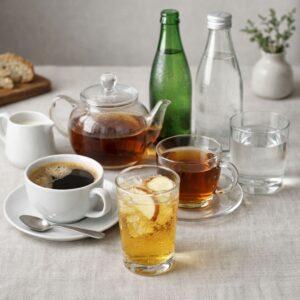
Coffee, tea, sparkling water, and Apfelschorle reflect everyday drinking habits in Germany.
What Germans drink during the day says a lot about the country itself. It reflects practicality, habit, regional identity, and a strong preference for familiar routines. Some drinks are tied to work breaks. Others belong to meals, family tables, or social occasions. Some are chosen for taste, others for refreshment, and others simply because they are what people have always reached for.
This guide looks at the drinks that shape everyday life in Germany, from morning to night. It covers coffee, tea, water, soft drinks, juice, beer, and regional habits, with a focus on what people actually drink at home, at work, and on the go.
Drinking habits may seem like a small detail, but in Germany they reveal a great deal about everyday life. Beverages are not only about thirst. They are part of routine, hospitality, and the structure of the day. The drink someone chooses often depends on the time of day, the setting, and the habit they grew up with.
For many people in Germany, drinks are tied to specific moments. Coffee belongs to the morning or the break. Water is the default companion to meals. Tea often appears when people want something calmer or warmer. Soft drinks and juice are more situational, while beer tends to belong to social time rather than the middle of an ordinary workday.
German drinking habits are shaped by a mix of practicality and preference. People often choose what is familiar, easy to buy, and easy to serve. That is one reason why certain drinks remain so stable over time. They fit the rhythm of daily life without demanding much attention.
Not every household drinks the same way. Habits vary by region, age, and lifestyle. Some areas have stronger tea traditions. Some households prefer sparkling water almost by default. Others lean more heavily on coffee. Generational habits matter too, especially when it comes to soft drinks, juice, and convenience beverages.
The morning is where German drinking habits become especially visible. Before the day gets busy, most people reach for something familiar and reliable.
Coffee is still the most common morning drink in Germany. For many people, it is the first thing they want after waking up. It can be quick and practical, or slow and deliberate, but it almost always plays a central role in the start of the day.
At home, coffee may be filter coffee, machine coffee, beans, capsules, or instant coffee. At work, it may come from an office machine or a quick takeaway cup. However it is prepared, coffee remains the drink most closely associated with the German morning.
Tea is also part of the morning routine in many households. It is especially common among people who prefer a gentler start or who simply do not want coffee first thing. Black tea is often the most traditional choice, but herbal and fruit teas also have a place.
Some households begin the day with water before moving on to coffee or tea. This is not a dramatic ritual, just a practical one. A glass of still or sparkling water can be the first thing on the table before breakfast or before the day fully begins.
At breakfast, drinks are often chosen with the meal rather than separately from it. Coffee, tea, juice, and water all have a place at the table. The choice depends on habit more than theory.
Coffee is the most visible drink in German everyday life, and it remains important well beyond breakfast. It is part of work, social time, and the small pauses that break up the day.
At home, coffee is often tied to routine. Some households make filter coffee in the morning and another pot later in the day. Others rely on machines, capsules, or beans. The format may change, but the role stays the same: coffee creates a pause, marks a transition, or simply makes the day feel more complete.
Coffee breaks are a familiar part of working life in Germany. In offices, workshops, and many other workplaces, coffee is one of the most common drinks available. It is practical, widely accepted, and easy to share. The coffee break is not only about caffeine. It is also about rhythm, pause, and conversation.
Outside the home, coffee is often part of a social setting. People meet over coffee, take a break with coffee, or pair it with cake or a pastry. Bakeries and cafés remain important places for this kind of everyday coffee culture.
How coffee is served varies from person to person. Some people drink it black, others add milk, and others prefer sugar or both. These choices are usually habitual rather than symbolic. They reflect taste, memory, and routine.
Tea may not be as dominant as coffee, but it has a strong and steady place in German drinking culture.
Black tea remains a classic choice, especially for people who want a warm drink with a more restrained profile than coffee. Herbal tea is also common, particularly when people want something soothing or caffeine-free.
Tea habits are not the same everywhere. In some parts of Germany, tea has a stronger everyday presence than in others. That regional difference is part of what makes German drinking culture so varied.
Many people turn to tea for comfort, warmth, or a lighter alternative to coffee. It is often associated with calm moments, colder weather, or a more health-conscious routine.
Tea often becomes more important later in the day, when people want a warm drink without the stronger pull of coffee. That makes it a natural evening choice in many households.
Water is the most basic drink in any country, but in Germany it has a particularly strong cultural presence. The choice between still and sparkling water is part of everyday life.
Sparkling water is deeply familiar in Germany. For many people, it is the default water choice. It appears at meals, in homes, in restaurants, and in offices. Its popularity is one of the clearest markers of German drinking habits.
Still water is also common, especially among people who prefer a softer taste or want a simpler drink. Mineral water, whether still or sparkling, remains a major part of the beverage landscape.
Water is often served with lunch and dinner. It is practical, neutral, and easy to pair with food. In many households, it is the most everyday drink of all.
Preferences can vary by region and household. Some people almost always choose sparkling water. Others prefer still water. The difference is small, but it says a lot about routine and taste.
Soft drinks are part of German drinking culture too, even if they are not the most central everyday choice.
Cola remains one of the most familiar soft drinks in Germany. Lemon-lime drinks and other carbonated options also have a strong presence, especially for casual refreshment.
Fruit sodas and flavored soft drinks are common as well, particularly among younger consumers and in more informal settings. They are often chosen for taste rather than habit.
Soft drinks are often consumed outside the core home routine — with fast food, on the go, or in social settings. They are less tied to structure than coffee, tea, or water.
Like in many countries, there is growing awareness around sugar and ingredients. That has pushed some consumers toward lighter or lower-sugar options.
Juice has a strong place in German homes, especially at breakfast and in family settings. But one of the most characteristic German drink habits is the Schorle.
Juice is often associated with breakfast, family meals, and a more casual kind of refreshment. Orange juice and apple juice are especially familiar.
Schorle — juice mixed with sparkling water, especially Apfelschorle (apple juice and sparkling water) — is one of the most familiar drink habits in Germany. It is lighter than pure juice, more refreshing than water, and easy to adapt to different tastes. That balance is a big part of its appeal.
Different fruit drinks appear at different times of year, but the basic pattern stays the same: people like drinks that feel refreshing without being too heavy.
Schorle works because it sits between categories. It is not too sweet, not too plain, and not too intense. That makes it one of the most practical and widely liked drinks in Germany.
Beer is one of the best-known drinks associated with Germany, but in everyday life it has a more specific role than outsiders sometimes assume.
Beer is part of social life, meals, and regional identity. It is not necessarily a daily drink for everyone, but it remains culturally important.
Beer is more likely to appear in the evening, after work, or on weekends. It belongs more to leisure time than to the middle of the day.
Wine and spritzers also have a place, especially in certain regions and social settings. These drinks are part of the broader adult beverage culture, even if they are not central to the everyday routine.
Beer and wine help complete the picture of what Germans drink during the day, but they do not define the whole story. The everyday core still belongs to coffee, tea, water, juice, and Schorle.
One of the most interesting things about German drinking culture is that it is not entirely uniform. Region matters.
In some northern areas, tea has a stronger tradition and a more visible everyday role. That makes the north distinct from parts of the country where coffee or beer may dominate more strongly.
In the south, beer and mineral water are especially visible, though coffee and tea remain important too. The balance of drinks often reflects both tradition and lifestyle.
City life and rural life can produce different drinking patterns. Urban households may lean more toward convenience drinks, takeaway coffee, and bottled water. Rural routines may feel more traditional or home-centered.
Older and younger generations do not always drink the same way. Some habits are inherited, while others shift with changing tastes and health awareness.
The setting matters. Germans do not drink the same way in every part of the day.
At home, the main drinks are coffee, tea, water, and juice. These are the drinks most closely tied to routine and family life.
At work, coffee and water are the most important. Tea also has a place, especially for people who want something calmer. Soft drinks are more occasional.
When people are out and about, bottled water, takeaway coffee, and soft drinks become more common. Convenience matters more in these settings.
Bottles, cans, cups, and reusable containers all play a role in how people drink during the day. The format is often as important as the drink itself.
Drinking habits are not static. They change with health awareness, lifestyle shifts, and changing expectations around sugar, caffeine, and hydration.
Many people are more conscious now of how much sugar they consume. That has affected soft drinks, juice, and even how people think about coffee and tea.
Water remains the most neutral and reliable drink. It is the baseline that everything else sits beside.
Coffee and tea remain important, but many people think more carefully about how much caffeine they want during the day.
There is also growing interest in drinks that promise more than refreshment — whether that means lower sugar, added minerals, or a more premium feel.
The way people buy drinks is part of the story too. In Germany, supermarkets and discounters play a major role in everyday beverage shopping.
Most drinks are bought in supermarkets or discounters, where price, familiarity, and availability matter most.
German shoppers often compare brands carefully. That applies to coffee, water, tea, and soft drinks alike.
Reusable bottles and larger home packs are also part of the picture, especially for water and soft drinks.
| Beverage type | Typical use |
|---|---|
| Coffee | Morning, breaks, work, social time |
| Tea | Morning, comfort, evening |
| Sparkling water | Meals, everyday hydration |
| Still water | Meals, home, on the go |
| Juice | Breakfast, family meals |
| Schorle | Refreshment, everyday drinking |
| Soft drinks | Casual, on the go, social settings |
| Beer | Evenings, weekends, social occasions |
Coffee and water are among the most common everyday drinks in Germany.
Yes, sparkling water has a particularly strong cultural presence in Germany.
Coffee is generally more dominant, but tea remains important in many households and regions.
Schorle is a mix of juice and sparkling water, and it is a very common German drink habit.
Schorle is a general term for juice mixed with sparkling water, while Apfelschorle specifically refers to apple juice mixed with sparkling water.
Yes, especially in casual, social, and on-the-go settings.
Yes. Regional differences are real, especially when it comes to tea, beer, and mineral water.
What Germans drink during the day is shaped by routine, taste, region, and habit. Coffee leads the morning, water anchors meals, tea softens the pace, and Apfelschorle offers a lighter kind of refreshment. Soft drinks, juice, and beer all have their place too, but the everyday core remains surprisingly stable.
That stability is part of what makes German drinking culture so interesting. It is practical without being dull, familiar without being identical from one household to the next. The drinks may be ordinary, but the patterns behind them tell a richer story about daily life in Germany.

