
12
Apr
If you’ve ever spent a weekend chasing dust bunnies from room to room, you already know the truth: a spotless home rarely comes from one heroic cleaning marathon. It comes from a simple daily cleaning routine that fits real life. For busy households, the smartest approach is not to clean harder, but to clean more consistently. A few focused minutes each day can keep your home organized, reduce stress, and prevent mess from taking over.
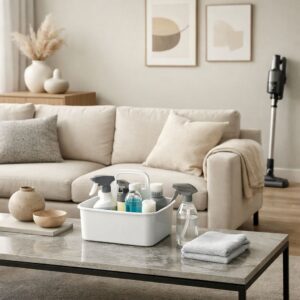
A practical 15-minute daily cleaning routine helps keep a home spotless, organized, and stress-free with minimal effort.
A home becomes difficult to manage when small tasks are postponed for too long. A cup left on the counter, shoes left by the door, or crumbs left after dinner may seem minor in the moment, but together they create the feeling of disorder. A daily cleaning routine interrupts that cycle before it grows into a larger problem. Instead of facing an overwhelming reset at the end of the week, you stay ahead of the mess in manageable steps.
The best part is that this approach does not demand perfection. It only requires consistency. Fifteen minutes is enough to make a visible difference when the time is used well. The goal is not to deep-clean the entire house every day. The goal is to keep the most important areas under control so the home always feels livable, welcoming, and calm.
One of the most effective practical cleaning tips is to set a timer for fifteen minutes and focus on the areas that matter most. This simple household hack works because it creates a clear limit. Once the timer starts, there is no room for overthinking, drifting, or starting tasks that never get finished. You move with purpose, and that focus makes the routine far more effective than cleaning in a distracted way for an hour.
Start with the rooms that shape the first impression of your home: the kitchen, bathroom, living room, and entryway. These are the spaces that collect clutter fastest and influence how clean the entire house feels. A quick wipe of counters, a few items returned to their proper place, and a fast sweep of visible surfaces can completely change the atmosphere of a room.
A smart routine always follows a logical order. Dust and debris fall downward, so it makes sense to begin with higher surfaces and finish with the floor. Shelves, light fixtures, tabletops, and other elevated areas should be handled before vacuuming or sweeping. This keeping home clean strategy saves time and avoids repeating work.
The same principle applies to every room. If you vacuum first and then dust, you will simply have to clean the floor again. If you clear surfaces before putting things away, you may end up moving clutter twice. A top-to-bottom method keeps the process efficient and helps the routine feel smooth rather than chaotic.
A tidy home is not only about dust and dirt. It is also about where things belong. Much of the visual mess in a house comes from objects being left in the wrong place. Mail on the table, clothes on a chair, toys in the hallway, or kitchen items scattered across the counter can make a room feel untidy even when it is technically clean.
That is why decluttering as you go is one of the most valuable practical cleaning tips. Every time you move through a room, take a moment to return one or two items to their proper place. This habit takes almost no time, but it prevents clutter from building up. Over the course of a week, those small actions make a major difference.
If time is limited, high-traffic areas should always come first. These are the spaces that get used constantly and show dirt quickly. Kitchens collect crumbs and fingerprints. Bathrooms need frequent wiping. Entryways gather shoes, bags, and outdoor debris. Living rooms attract everyday clutter because they are used for relaxing, working, and spending time together.
By prioritizing these areas, you get the greatest return on your effort. Even if the rest of the house is not perfect, a clean kitchen counter, a clear hallway, and a neat bathroom can make the entire home feel under control. That is the essence of an effective daily cleaning routine: focus on the places that matter most, not the ones that take the longest.
A strong routine should adapt to the season. Different times of year create different cleaning challenges, and a flexible plan works better than a rigid one.
Spring is the ideal time to refresh windows, light fixtures, and other surfaces that benefit from more natural light. Dust and streaks become more visible as the days get brighter, so a little extra attention here can make the whole home feel lighter.
Summer often means more movement between indoors and outdoors. Patios, doormats, and entryways need regular attention because dirt is tracked in more easily. A quick sweep outside can help keep the inside cleaner too.
Autumn brings fallen leaves, damp shoes, and more debris near the entrance. This is the season to stay ahead of mud and outdoor mess before it spreads through the house.
Winter creates its own challenges, especially salt, slush, and moisture from boots. Floors and doormats may need a fast wipe more often than usual. Small adjustments like these keep the home cleaner without adding much work.
The right tools can turn cleaning from a tiring chore into a quick, efficient habit. A microfiber cloth is one of the most useful items in any home because it dusts, polishes, and wipes surfaces without much effort. A small cleaning caddy saves time by keeping supplies together, so you are not constantly searching for products from room to room. A cordless vacuum is especially helpful for fast cleanups, since it makes it easy to handle crumbs, dust, and small messes in seconds.
Timer apps can also be surprisingly effective. They support the idea behind the 15-minute daily cleaning routine by keeping the task short and focused. When the time is limited, the work feels more manageable, and the habit becomes easier to repeat.
A clean home does more than look good. It can also change how a space feels. Clutter often creates background stress, even when people do not consciously notice it. A tidy environment tends to feel calmer, more open, and easier to enjoy. That is one reason a household hack like this is so effective: it improves daily life in a practical way, but it also supports mental clarity.
When the home feels under control, it is easier to relax, focus, and enjoy the space. Guests notice it too. A home does not need to be perfect to feel welcoming. It only needs to feel cared for. That feeling usually comes from consistency, not from occasional bursts of effort.
Cleaning becomes much easier to maintain when it is paired with something pleasant. Music can make the process feel lighter. An audiobook or podcast can turn routine tasks into a more enjoyable part of the day. These small additions do not change the work itself, but they make the experience more rewarding. And when a routine feels rewarding, it is far more likely to become a habit.
A spotless home does not require endless effort. It requires a realistic system, a few smart habits, and the willingness to stay ahead of mess before it becomes overwhelming. A daily cleaning routine, a top-to-bottom approach, and a focus on high-traffic areas can keep a home looking organized with minimal effort. Add a few practical tools and seasonal adjustments, and the process becomes even easier.
The real secret is consistency. Fifteen focused minutes each day can do more than hours of occasional deep cleaning. That is what makes this household hack so valuable: it fits into busy lives, reduces stress, and keeps the home clean in a way that actually lasts.

